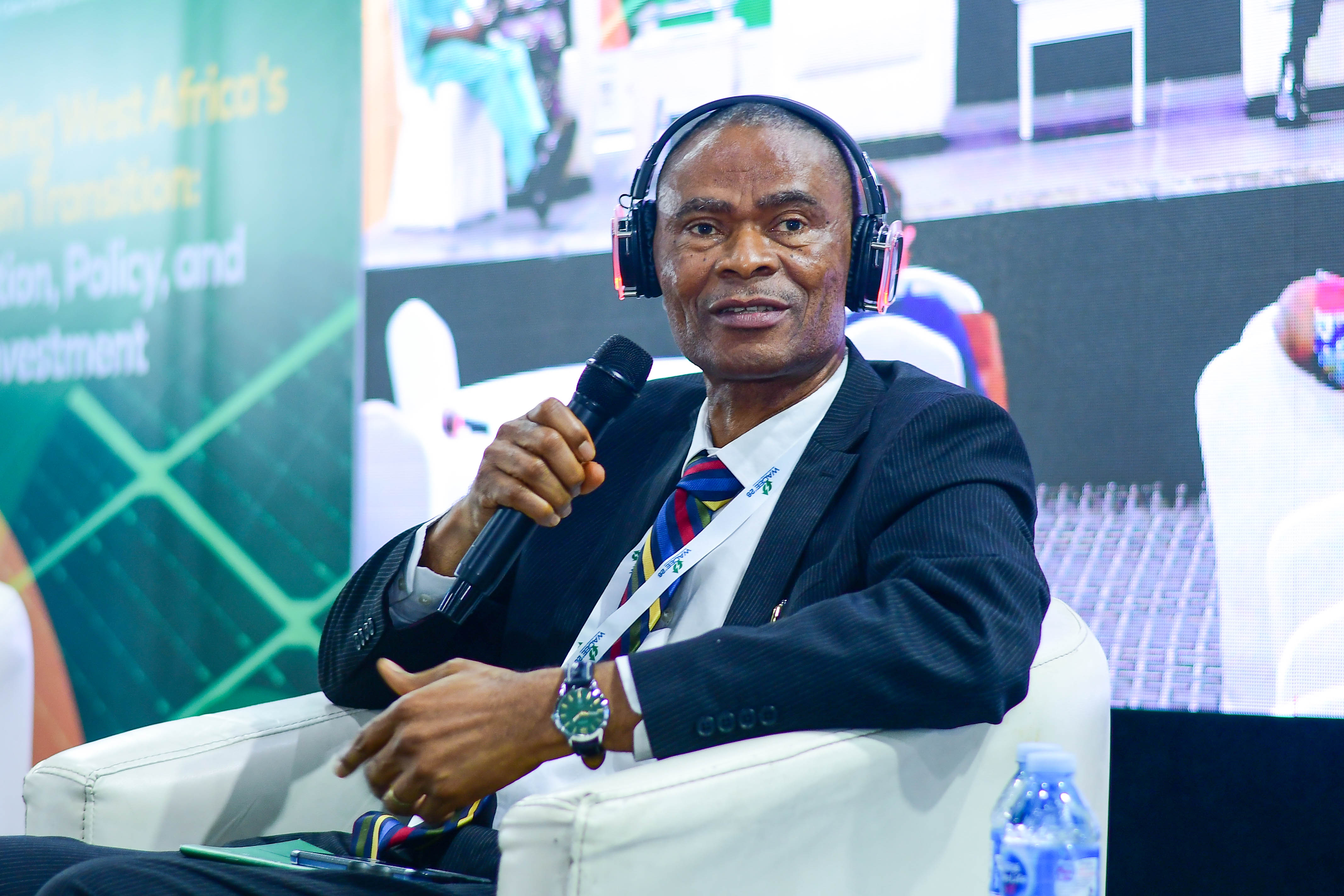
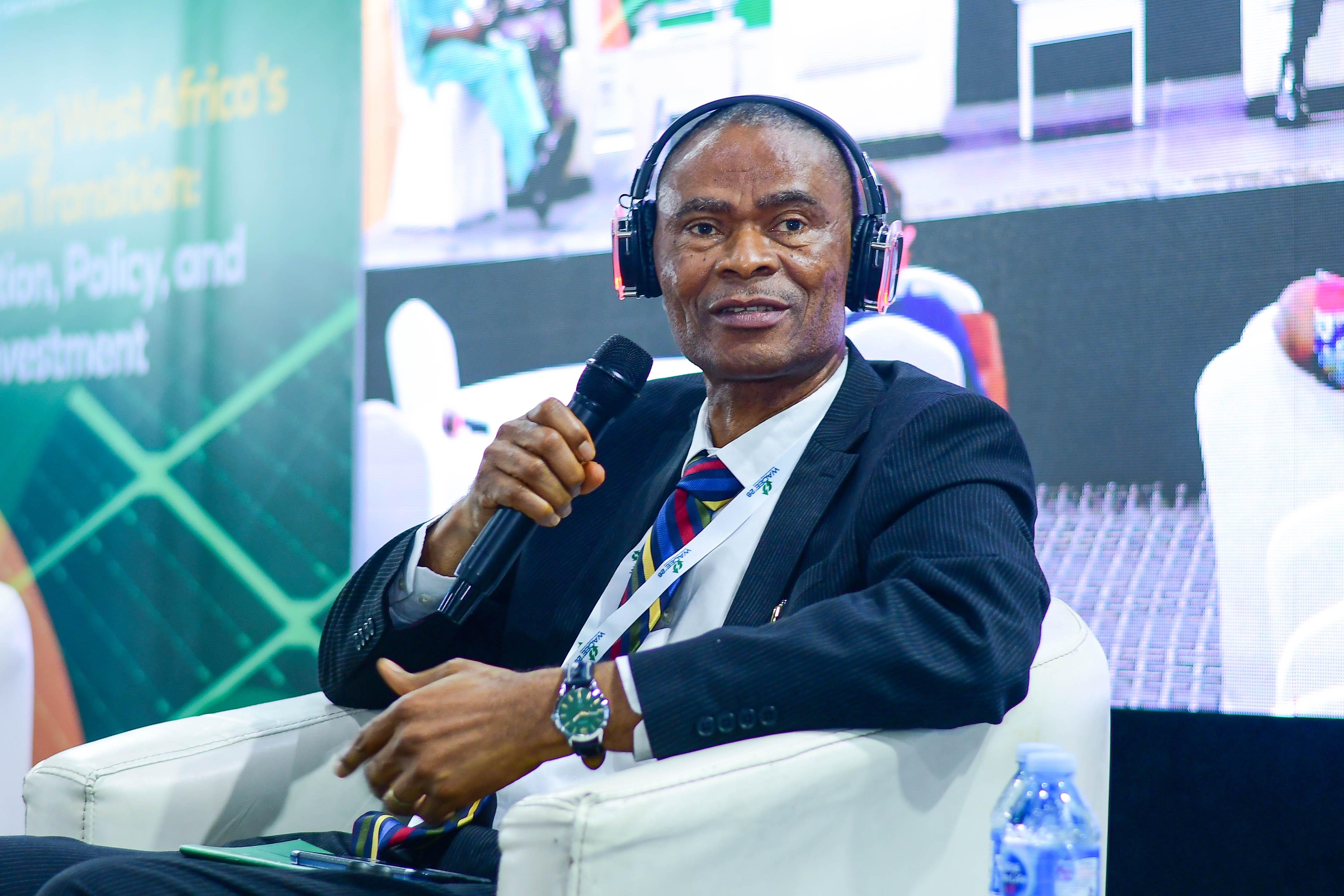

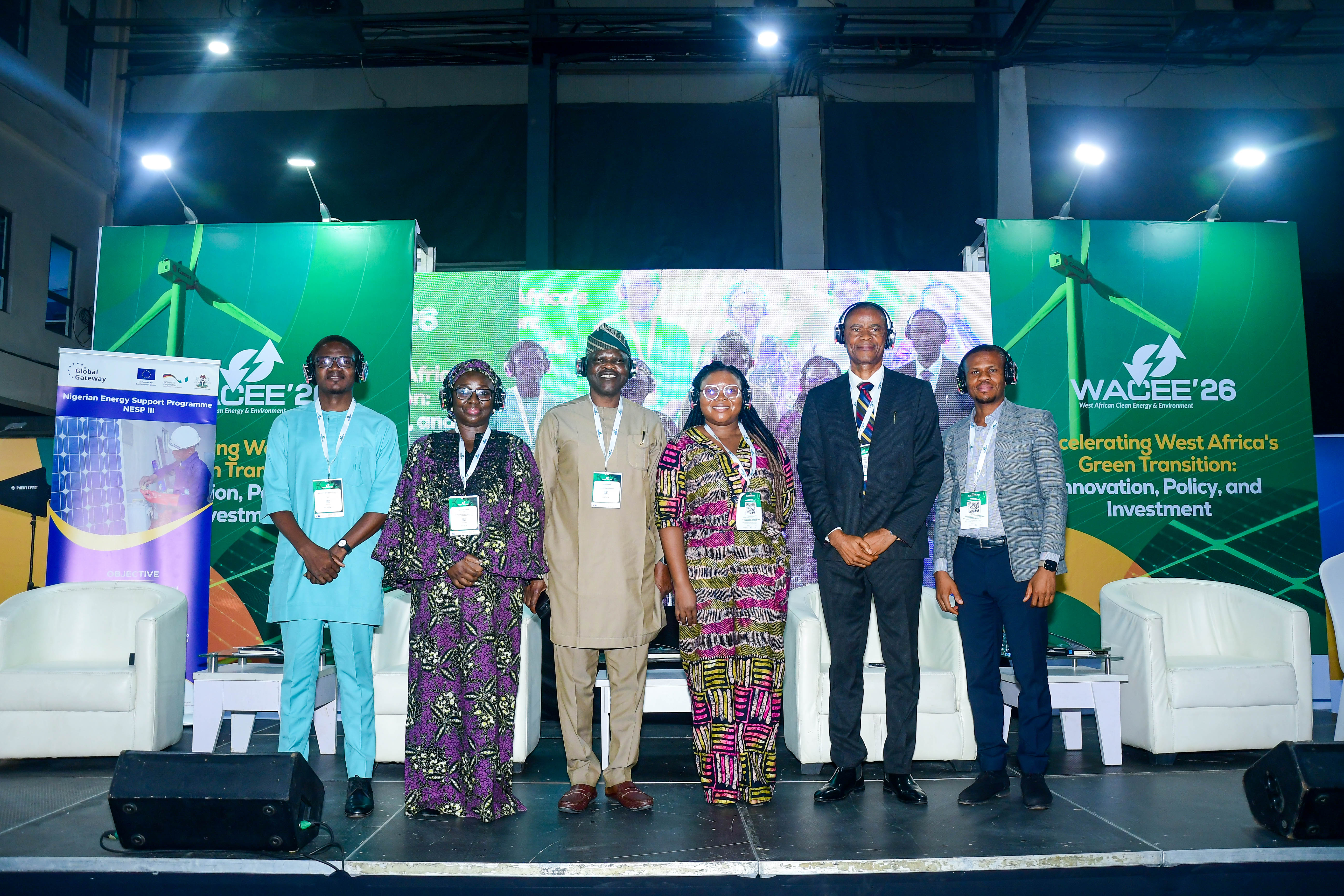
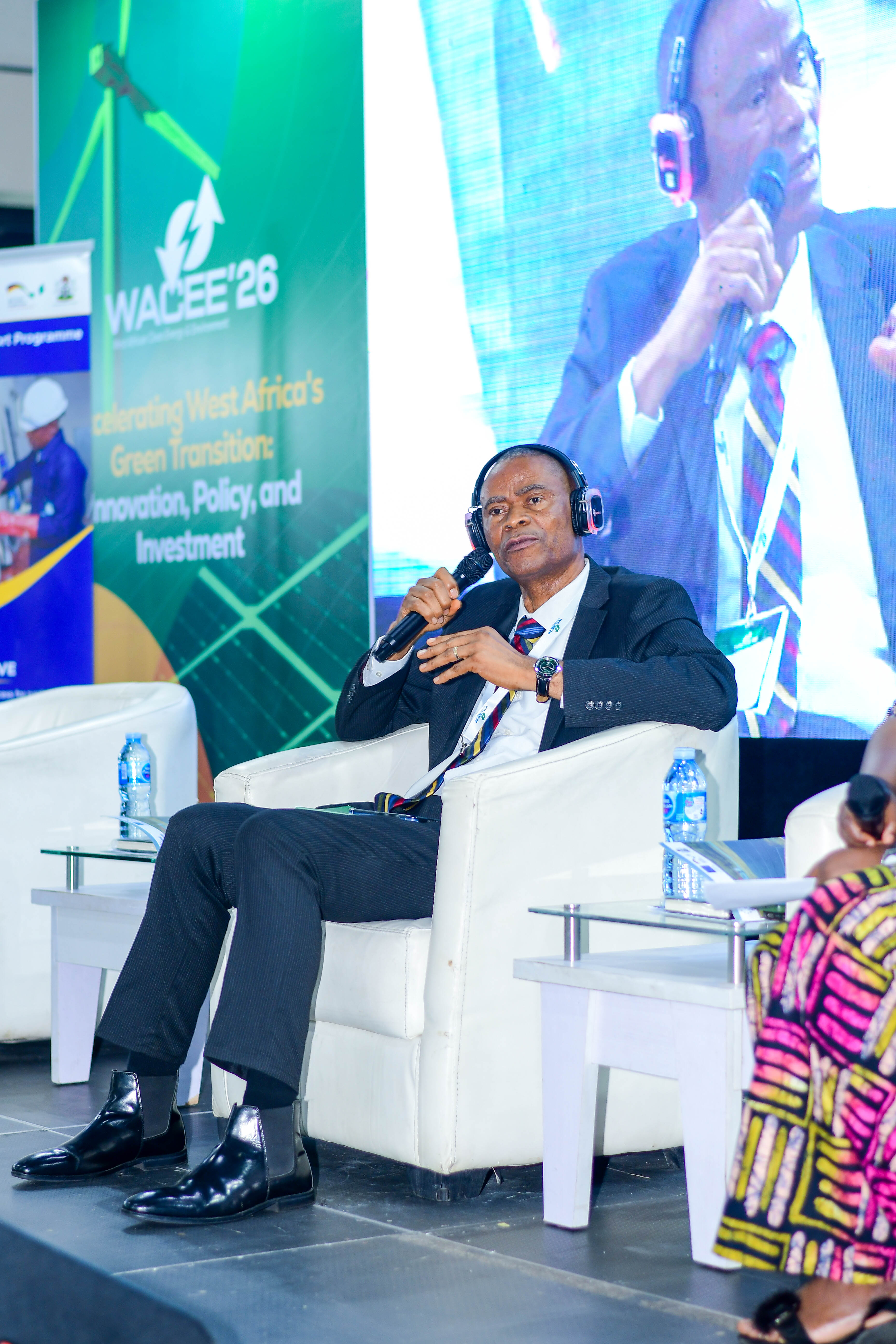
During a GIZ-hosted Q&A session at the recently concluded West African Clean Energy & Environment Trade Fair & Conference (WACEE 2026), Dr. Chuka Akunne, representing the Chairman of the Enugu State Electricity Regulatory Commission (EERC), outlined the Commission’s reform journey and its growing role in Nigeria’s energy transition. Dr. Akunne highlighted three defining milestones: the formal transfer of regulatory authority from the national regulator in May 2024, the enactment of the Enugu State Electricity Law 2023, and the issuance of a 20-year distribution license to MainPower Electricity Distribution Limited. These achievements, he noted, have provided the legal and institutional framework for a functional subnational electricity market.
He further explained that EERC has focused on building the operational architecture of the market through regulatory instruments, transparent tariff-setting methodologies, customer complaint and redress mechanisms, and the introduction of a Distribution Use of System (DUoS) model. These measures are designed to stabilize the market, protect consumers, and create a predictable environment for investment. Acknowledging transitional challenges such as institutional resistance and the need to secure financial viability for licensees, Dr. Akunne emphasized that EERC’s deliberate approach, anchored in transparency, consistency, and regulatory certainty, has been critical in building investor confidence.
He underscored the importance of strategic partnerships, particularly with GIZ/NESP, which have supported mini-grid deployment to underserved communities, expanded energy access, and strengthened operational readiness. He also pointed to capacity development initiatives, including training programmes and data-driven tools, as well as the Solar for Health Programme, which has electrified healthcare facilities and improved service delivery in areas such as vaccine storage and emergency response.
Dr. Akunne concluded that Nigeria’s power sector future will depend not only on increased generation capacity but on the effectiveness of regulatory frameworks in unlocking investment, enabling innovation, and ensuring sustainable, cost-reflective markets. He affirmed that Enugu State’s coordinated reforms position it as a reference point for subnational electricity market development and a viable destination for energy investment in West Africa.
No comments yet. Be the first to comment.